
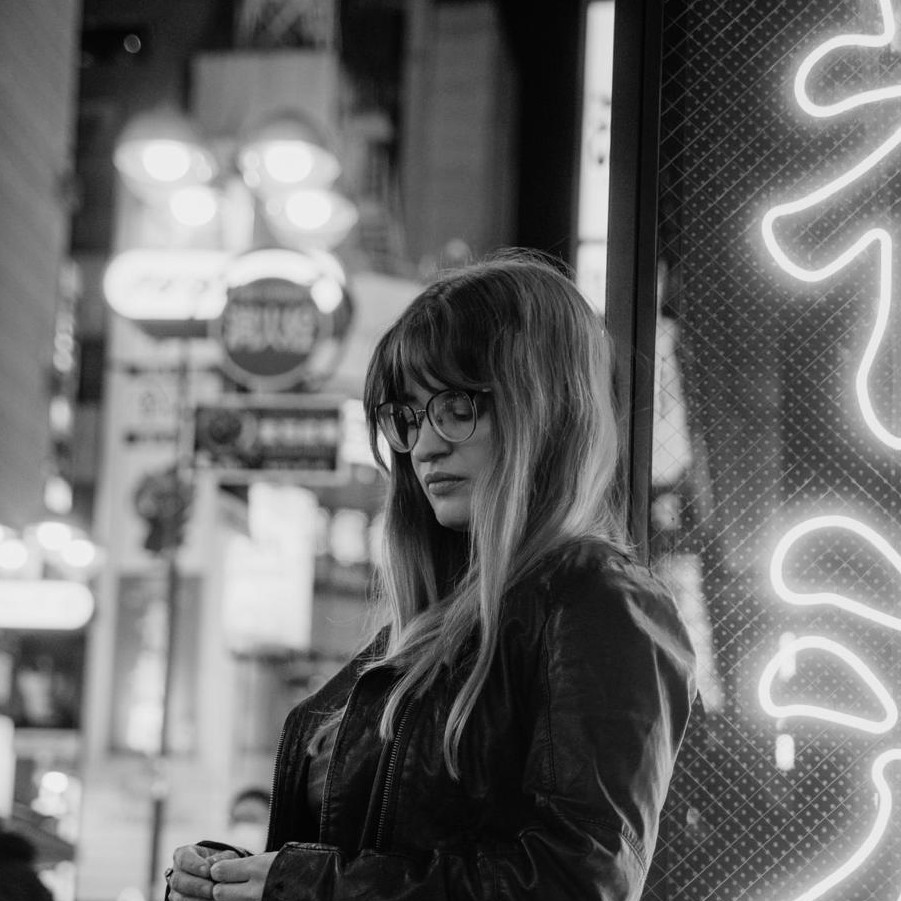


We experimented – and you shared your opinion. The overall sentiment is clear: You preferred the article featuring Gustavo’s real photos over the version with AI-generated images. Among the reasons most of oyu mentioned were credibility, journalistic integrity, and your ability to emotionally connect with Gustavo and the Moroccan street dogs in general. This gives us valuable insight into how people evaluate visual content and how they respond to AI-generated images.
At the same time, we need to look at our own experiment critically. We deliberately chose a rather artistic AI style intended to evoke a warm, comforting feeling – like a beautiful story from a children’s book. This naturally created a strong contrast to the real photographs. Would your opinions have been less unanimous if we had generated images that were nearly indistinguishable from real photos? What if we had not disclosed which images were AI-generated and which were real? It is also possible that a generally more critical attitude toward AI images influenced the evaluation once the images were clearly labeled as such. There is therefore still room for a future experiment in which the distinction is not made obvious.
AI and Credibility: How Real Photos Create Trust
AI and digital platforms are indeed in the process of transforming our information ecosystem. On the one hand, they can increase the efficiency of information dissemination while simultaneously reducing the cost of content production – for our images in the style of children’s storybook, for example, we did not have to pay any real artists. AI-generated content can therefore be produced in large quantities, very quickly, and at very low cost.
At the same time, however, the relative amount of unverified or unreliable information increases as long as there are no clear mechanisms for quality control and regulation. Without labeling or quality assurance, public uncertainty about what is real and what is not also grows. The average quality of information products may decline, even as the overall volume of information increases – and the risk of misinformation rises.
You intuitively recognized this: real photos function as a quality signal for you, as visual evidence that a described event actually took place, that a depicted problem truly exists, and that the main character of our story exists at all. The use of (clearly recognizable) AI-generated images can therefore even contribute to a loss of credibility for the entire article – because if the photos are not real, what guarantees that the information itself is accurate? In a world in which AI images are becoming increasingly realistic, this trust cue – the confidence an image creates – becomes especially important.
AI and Emotional Connection: How Real Photos Evoke Empathy
Another key experience many of you described was how strongly the real photos of Gustavo allowed you to gain a “genuine glimpse into his life.” This made it easier for you to identify with his story. AI-generated images, by contrast, may be technically sophisticated, but they remain abstract and generic – they do not convey something that feels genuinely human.
This perception cannot be explained only in psychosocial terms. It also has social and cognitive foundations. Studies show that people perceive emotional signals in images more strongly when they believe those images document real situations – not merely as illustrations, but as evidence of an actual event. AI-generated images, on the other hand, are often perceived as aesthetically pleasing, but not as representations of a real lived experience.
AI Does Not Increase the Journalistic Value of an Article
Our experiment shows what research also suggests: at present, AI-generated images are not capable of producing the same impact as real photographs – at least when their AI-generated origin is recognizable. Real photos establish a connection to reality that AI cannot currently replace, and they move viewers on a deeper emotional level. At the same time, the growing use of AI-generated content also increases the risk of misinformation.
