


Many countries have stray dogs — Morocco is no exception. Their situation is often precarious, and in the run-up to the 2030 World Cup, it is becoming increasingly dangerous.
“Beldi is best” — anyone who has spent even a short amount of time engaging with dogs in Morocco has likely come across this belief. But what exactly is a Beldi — and what role do stray dogs actually play in Moroccan society?
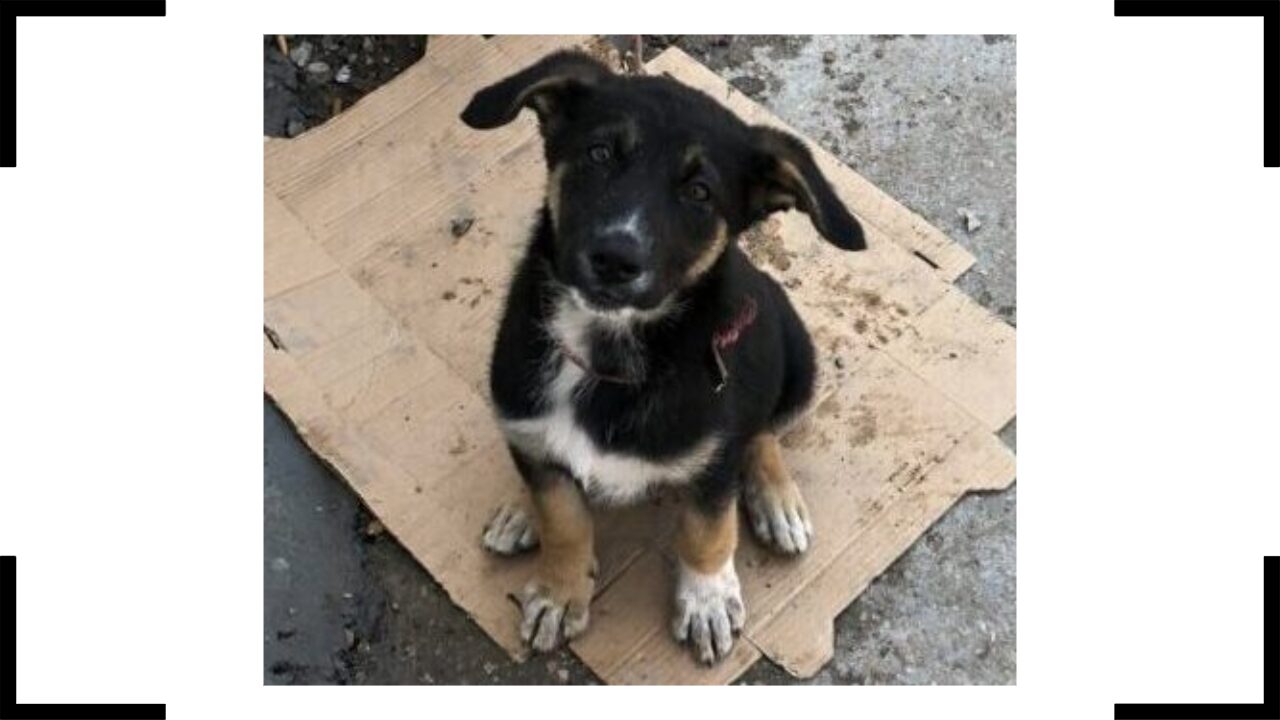
In Moroccan Arabic, Beldi means “from the countryside,” “native,” “belonging to the country.” They are often mixed-breed dogs that exhibit traits of local breeds such as the Sloughi, a Moroccan sighthound, and the Aidi, a herding dog from the Atlas Mountains. But characteristics of other breeds will also frequently be found in Beldis — especially of German Shepherds and Huskies, breeds that are particularly popular in Morocco as pets because of their wolf-like appearance.
Among dog lovers, the Beldi is considered especially resilient and loyal. Yet, although the Beldi is the Moroccan dog par excellence, and its very name marks it as native to the country, this sense of belonging is hardly reflected in Morocco’s cityscapes. For example, in the coastal city of Tangier alone, there are over 30,000 homeless Beldis. And even though many Moroccans appreciate stray dogs and even feed and care for them, life on the streets is still harsh for many — marked by disease and violence, including violence from humans.
A particularly big threat plays an increasingly important role in the lives of the Beldis: humans. Especially dangerous for the furry friends? Moroccan authorities tasked with preparing city streets for the 2030 World Cup. What is behind this?
This is the question we want to explore in our new article — while also examining a completely different topic at the same time. The piece will be published in two versions: one with photographs we took ourselves, and one visually supported by AI-generated images created with Midjourney. The goal? We want to hear your opinion on an issue that is becoming increasingly relevant: Should journalistic work use AI-generated images to visually represent its content? Where could AI visuals enrich journalism — and where might they cross a line?
Take a look at both posts and join the discussion!
Find the post with AI-generated images here.
And find the post with our own photography here.
